
AI for aging and longevity lab

Can we extend human lifespan by an order of magnitude?

Join the lab
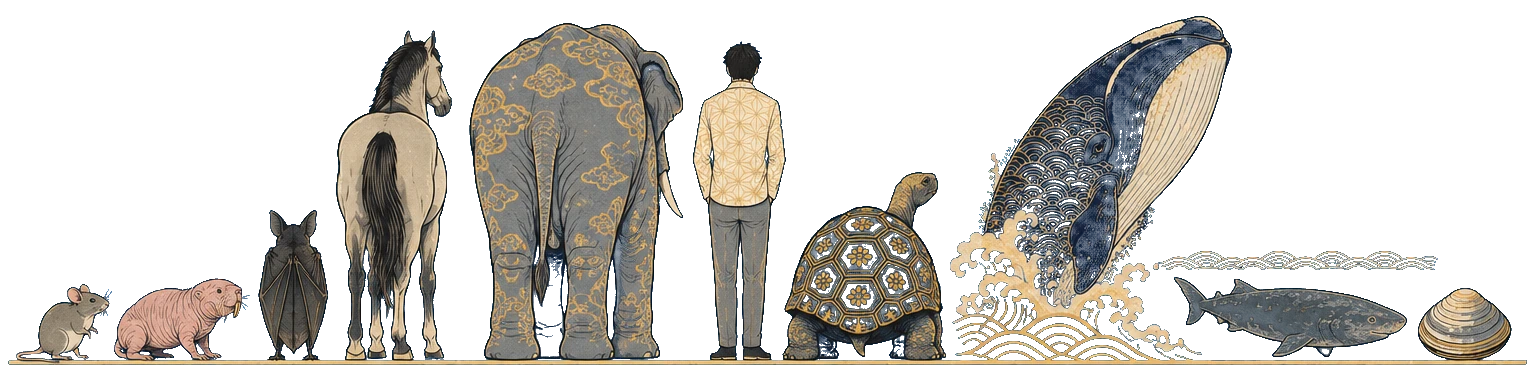
Painting of ten species in order of maximum lifespan: a mouse, a naked mole-rat, a bat, a horse, an elephant, a human, a Galapagos tortoise, a bowhead whale breaching, a Greenland shark below the waves and an ocean quahog.

Opening January 2027

We build AI that models how organisms age and proposes interventions, and we test what it proposes. We start with brain resilience.

Our vision

We want to understand aging well enough to extend healthy human lifespan by an order of magnitude.

Evolution has already changed maximum lifespan more than a hundredfold. A mouse lives about 4 years and an ocean quahog more than 500, while the best interventions extend mouse lifespan by a small fraction. We think the differences between species depend on mechanisms that current interventions do not reach, and we use AI to find them.

The lab is computational and experimental, so the predictions we act on are tested in cells and animals.

Research

Aging shows itself in whole organisms, in populations and in the lifespan of a species, while most AI for biology works on proteins and cells. We model all six scales below and start much of our work at the larger ones.

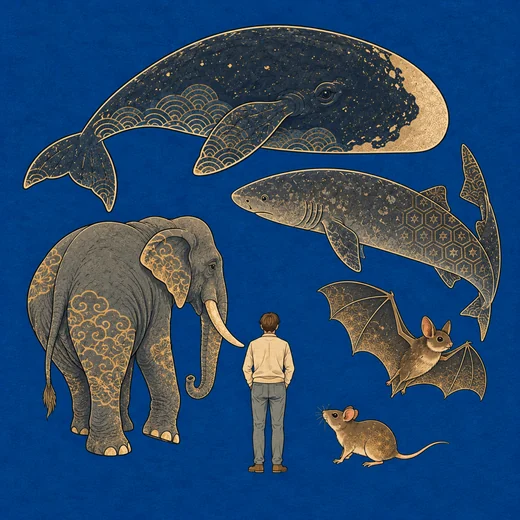
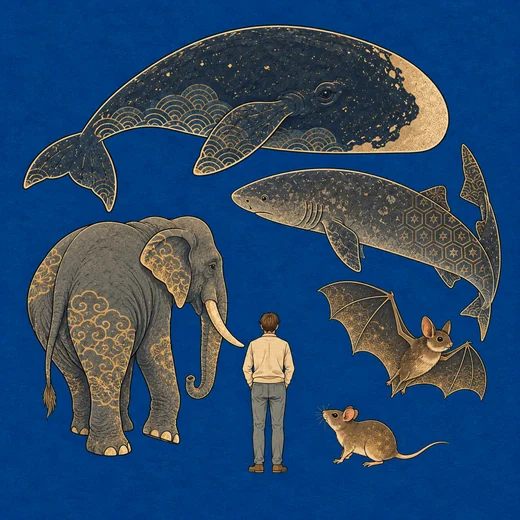
  1. Painting of a bowhead whale, a Greenland shark, a horse, an elephant, a bat and a mouse around a human.SpeciesPan-species models
  2. Painting of people of all ages walking together.PopulationBiobank cohorts
  3. Painting of a human seen from behind.IndividualHealth models
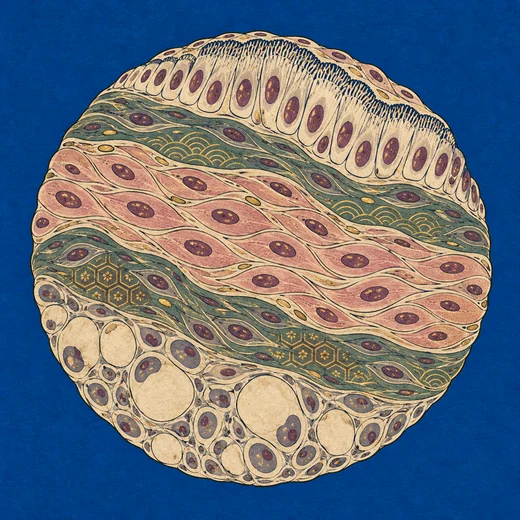
  4. Painting of a section of tissue.TissueVirtual tissues
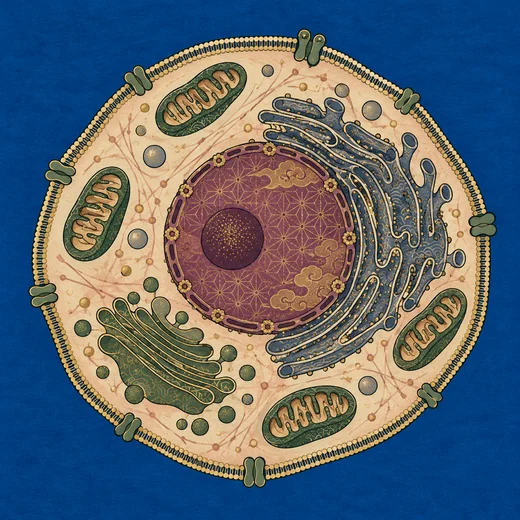
  5. Painting of a cell with its nucleus and organelles.CellVirtual cells
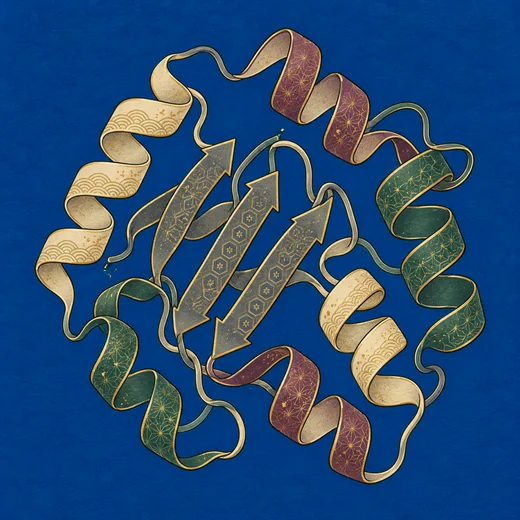
  6. Painting of a protein structure.MoleculeProtein design
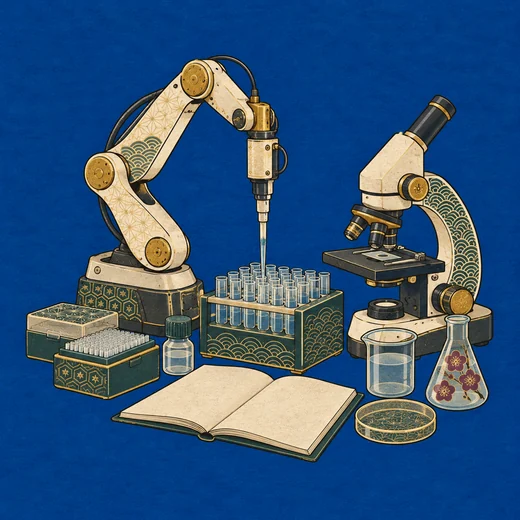
Painting of a robotic arm, a microscope and an open notebook at a laboratory bench.

AI agents that do research

Public repositories hold millions of molecular profiles, and most were analyzed once for the question of the study that produced them. Our agents read these data together with the literature, run the analyses and propose what to test. Each result keeps the data, code and papers it came from.

In ClockBase Agent the agents scored public mouse profiles with aging clocks and nominated interventions predicted to lower biological age. In the preprint, one of them, ouabain, slowed frailty progression and reduced neuroinflammation in aged mice.

Painting of a cell with its nucleus and organelles.

Models that simulate biology

A model of a biological system should predict its future state and how it responds to an intervention. HealthFlux follows how a person's health state changes from clinical and molecular records, and predicting the response to an intervention is the next step. ESM-Life relates protein sequences to lifespan across species.

We also study aging from physical first principles, as the slow loss of the stability that repair maintains, and use that theory to decide what the models should predict.

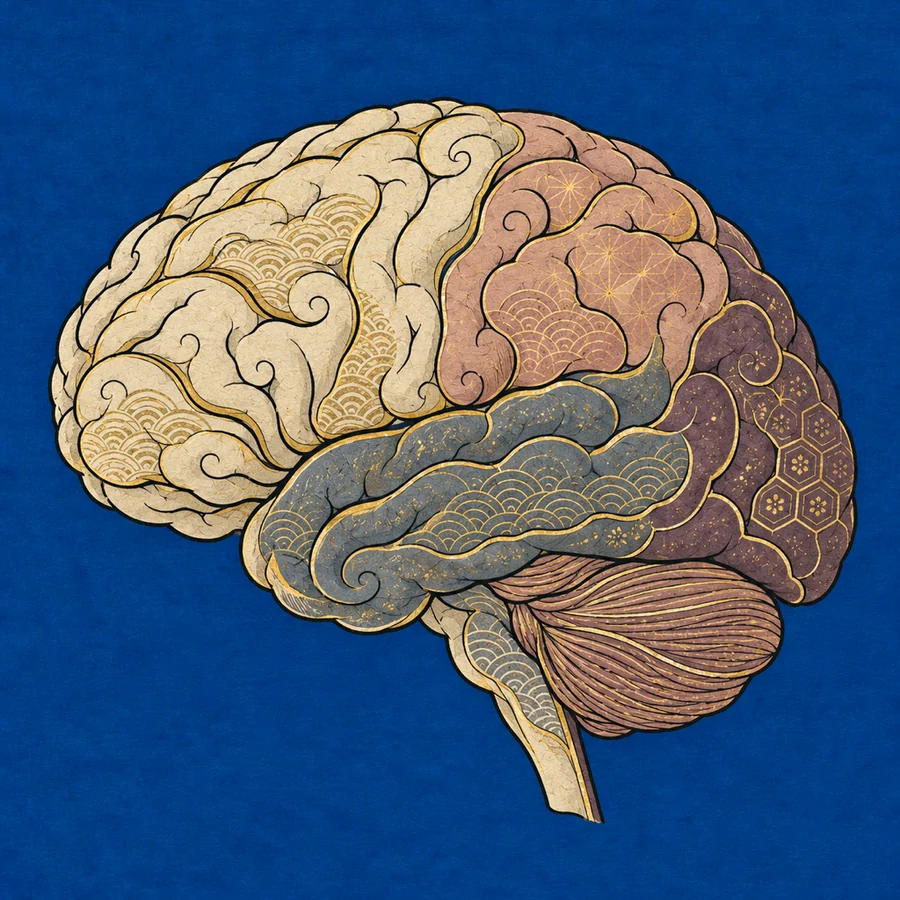
Painting of a human brain among a bowhead whale, a Greenland shark, a bat, a tortoise and a naked mole-rat.

Brain resilience

Both tracks start with the aging brain. Aging is the largest risk factor for Alzheimer's and Parkinson's disease, yet some people keep their memory into old age with the pathology in their brains, and we want to know what protects them.

We expect the longest-lived species to have the most resilient brains. A bowhead whale can live about two centuries and a naked mole-rat outlives other rodents of its size by decades, so we compare their brains with human brains to find protective molecules and cell states.

In people we model brain aging from molecular profiles of brain tissue, blood and spinal fluid. We define resilience as how far a person's brain stays ahead of what their age and pathology predict, and we treat whatever explains that difference as a target.

Selected publications

    All publications

    News

      All news

      People

      Painted portrait of Kejun Albert Ying.

      Kejun Albert Ying, PhD

      Principal investigator. Incoming Assistant Professor.

      Albert builds AI for biology and aging, from foundation and world models of biological data to agents that analyze public data and propose experiments. His earlier work includes causal aging clocks and MethylGPT.

      He received his PhD from Harvard University in 2025 with Vadim Gladyshev for the dissertation On the Quantification of Aging. He did his postdoctoral research with Tony Wyss-Coray and David Baker.

      He was an NIH/NIA F99/K00 fellow, received the 2026 WAIC Yunfan Award and is a core member of the Biomarkers of Aging Consortium.

      Lab members

      • Painted portrait of Wang Zirui. Wang Zirui Visiting student

        Builds world models of human health.

      • Painted portrait of Donghyun Lee. Donghyun Lee Visiting student

        Studies protein structure across species.

      • Painted portrait of Kelvin Mo. Kelvin Mo Visiting PhD student
        Harvard Medical School

        Learns gene regulation from evolution.

      • Painting of a gold starburst above an open notebook. Claude AI lab member

        Claude is an AI model made by Anthropic that reads papers and data and runs analyses with us.

      • Painting of a brush writing rows of strokes down a scroll beside an ink stone. Codex AI lab member

        Codex is an AI coding agent made by OpenAI that writes and tests the lab's code.

      Join the lab

      We are recruiting students, postdocs and visiting scholars.

      The lab opens in January 2027 and its first members will shape how it works.

      Email keying@stanford.edu

      Send a CV and a few lines on what you would want to work on.

      • Open-mindedYou welcome new ideas and are open to being challenged and changed.
      • AmbitiousYou are drawn to big questions such as how to solve biology or how to design a new species.
      • Across disciplinesYou were trained in AI or biology or physics and want to learn the fields you were not trained in.
      • Self-drivenYou come for the question and choose your own problems within it.
      • AI-nativeYou use models and agents in every project, from analysis to the bench.
      • How you workWe look at how you approach a problem more than at what you already know.